Seniors Hub
Tai Chi for Seniors: Free Guides & Gentle Routines
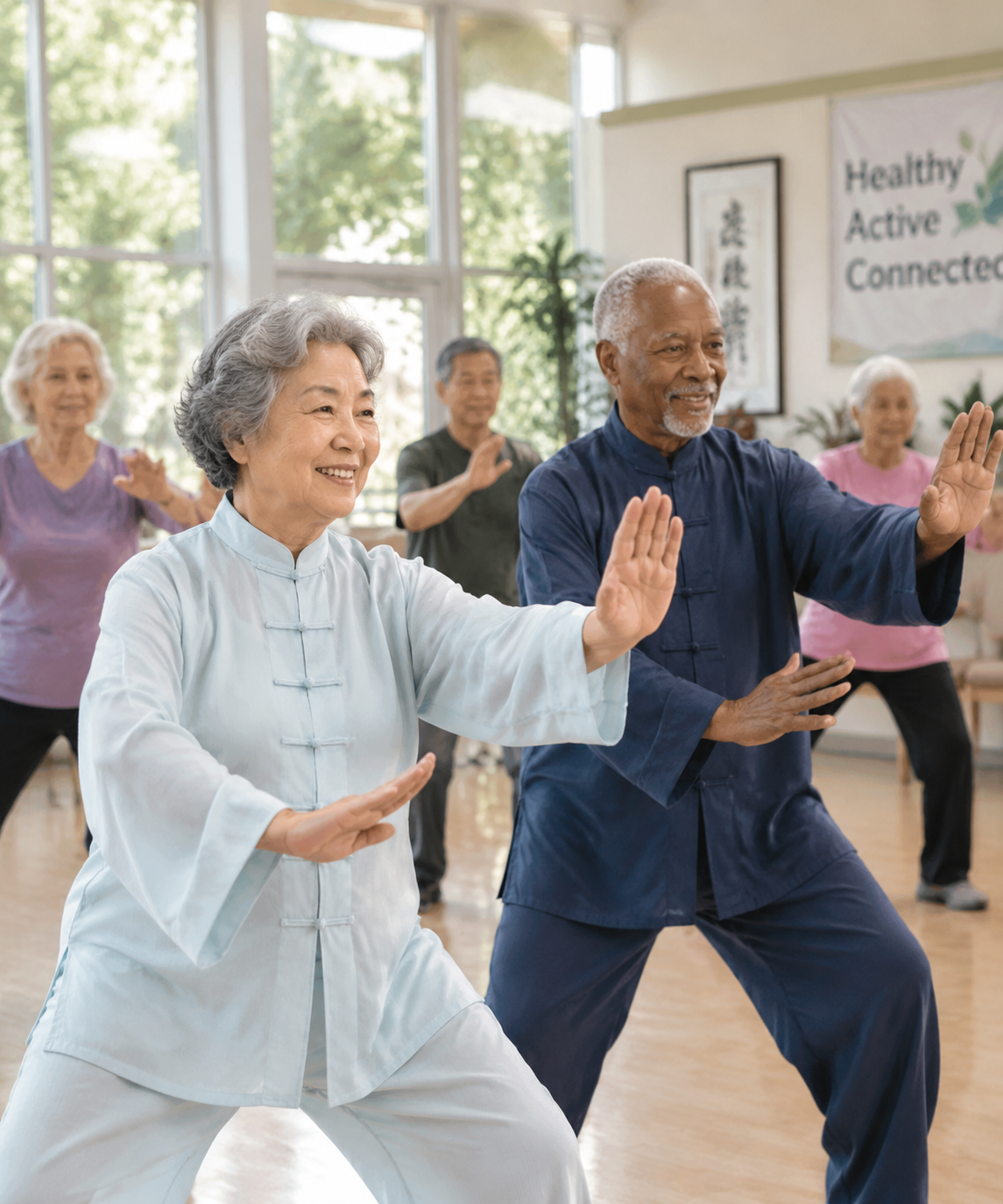
Slow, low-impact tai chi helps many older adults work on balance, confidence, and calm daily movement. Start with our walking and workout guides—built for safety-first practice at home.
- Balance-first
- Short indoor sessions
- Support nearby
Free Printable Walking Plan for Seniors
Safety checklist plus 10/15/20 minute routines. Enter your email to unlock the free printable plan.
Safer starting points
Senior-Friendly Guides on This Site
Pick a path below. Walking for seniors is the safest default when balance is your main goal.
Tai Chi Walking for Seniors
FeaturedOur most recommended start: safety checklist, indoor options, and 10–20 minute walking routines.
tai chi walking for seniorsTai Chi Walking (General Guide)
The full beginner walking tutorial—useful once you want more step-by-step detail.
tai chi walking guideGentle Tai Chi Workout
A structured 20-minute home routine with warm-up, core moves, and cool-down.
tai chi workout for seniorsTai Chi Exercises Hub
Ten foundational moves with tips—browse before adding a timed workout.
tai chi exercisesWhat Is Tai Chi for Seniors?
Tai chi for seniors usually means slow, controlled movement—not high-intensity exercise. Many classes and clinical programs use Yang-style or simplified stepping drills because they emphasize weight transfer, upright posture, and steady breathing.
You do not need prior martial arts experience. A clear hallway, supportive shoes, and optional wall or chair support are enough for most home practice. If you have dizziness, recent falls, osteoporosis, or heart/lung conditions, ask your clinician before starting.
This hub collects our senior-friendly guides in one place. For the fastest path, begin with tai chi walking for seniors, then explore a timed workout when standing practice feels comfortable.
Why it helps
Why Many Older Adults Choose Tai Chi
Balance & confidence
Slow stepping and weight shifts train the same skills used on stairs, curbs, and uneven floors.
Joint-friendly movement
Low-impact patterns can feel easier on knees and hips than jogging or aerobics classes.
Indoor-friendly
Short sessions work in a hallway or living room—useful when weather or mobility limits outdoor walks.
Calm, repeatable routine
Predictable sequences help many people stick with practice better than random stretching.
Safety Basics Before You Begin
- Practice near a wall, countertop, or sturdy chair until balance feels reliable.
- Wear flat, supportive shoes—or grippy socks only on carpeted, non-slip floors.
- Start with 5–10 minutes and add time only when posture stays steady.
- Stop if you feel chest pain, severe dizziness, or unusual shortness of breath.
- Tell your doctor before starting if you have a history of falls or recent surgery.
For a full safety section with modify/stop lists, see ourtai chi walking for seniorsguide.
FAQ
Frequently Asked Questions
Is tai chi good for seniors?+
Many older adults use tai chi for balance, mobility, and gentle daily movement. Research often studies structured class programs rather than short home clips—treat our guides as educational starting points, not medical treatment.
Where should seniors start on this site?+
Start with our tai chi walking for seniors guide for safety tips and short routines. Add the general tai chi walking tutorial when you want more detail, or the 20-minute workout when you prefer a timed session.
Can tai chi help prevent falls?+
Some randomized trials of tai chi programs report fewer falls in older adults, but results depend on the program, teacher, and your health status. Combine movement practice with home safety checks and clinician advice.
Is chair tai chi a good option?+
Seated tai chi can be useful when standing endurance is limited. Practice near a stable chair for support during standing drills, and ask your clinician about seated programs in your area. A dedicated chair tai chi guide on this site is planned for a later phase.
How often should seniors practice?+
Many people aim for most days of the week in short sessions (10–20 minutes). Consistency matters more than long occasional workouts.
Is this medical advice?+
No. TaichiExercises.org publishes educational content only. Consult your healthcare provider before starting any exercise program.
Free plan
Get the Free Seniors Walking Plan
Enter your email to unlock the seniors walking plan. Download starts immediately.
We respect your privacy. Your download starts right after a valid email.
Educational content only—not medical advice. Consult your healthcare provider before starting any exercise program, especially if you have balance concerns or a history of falls.